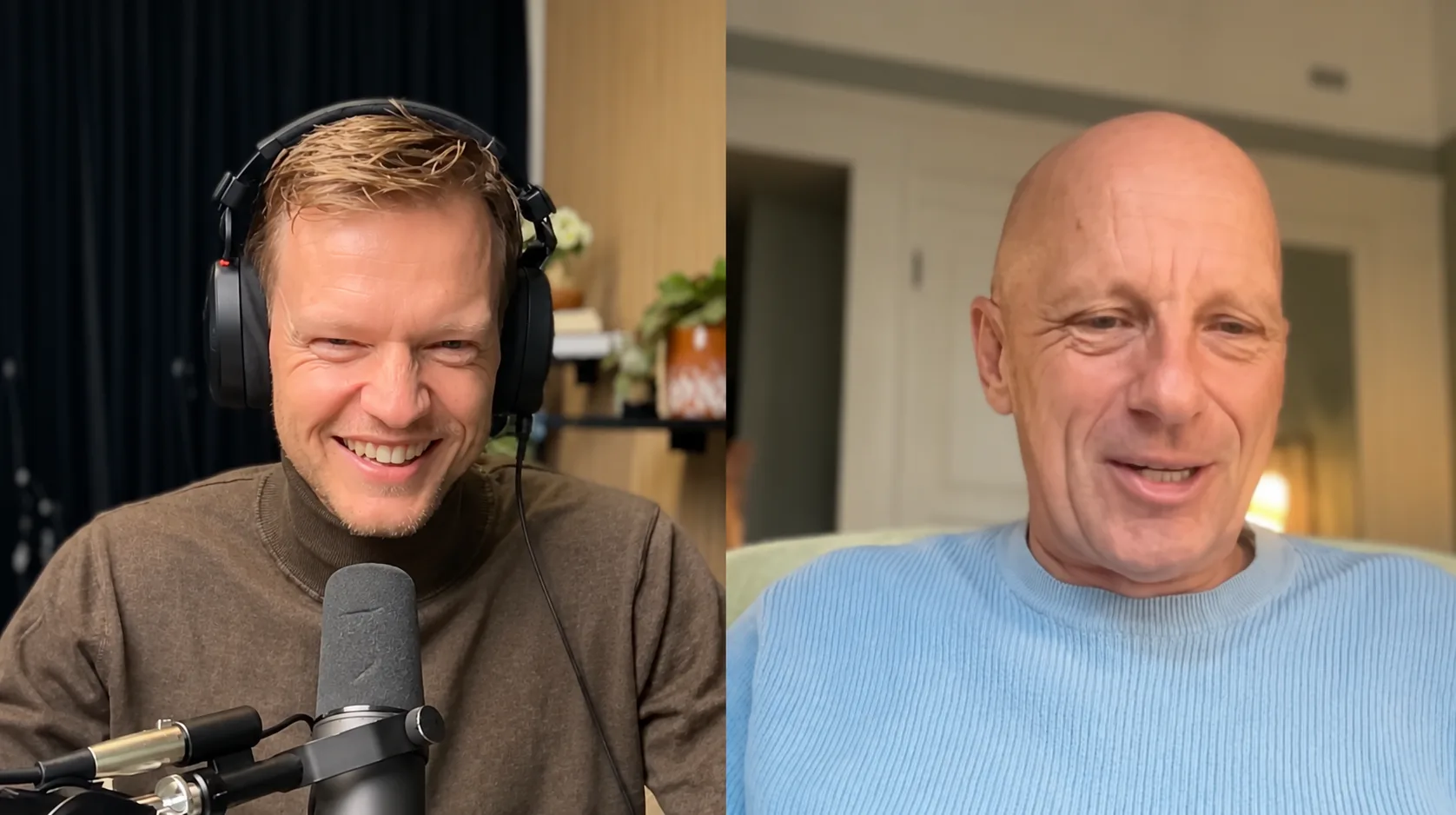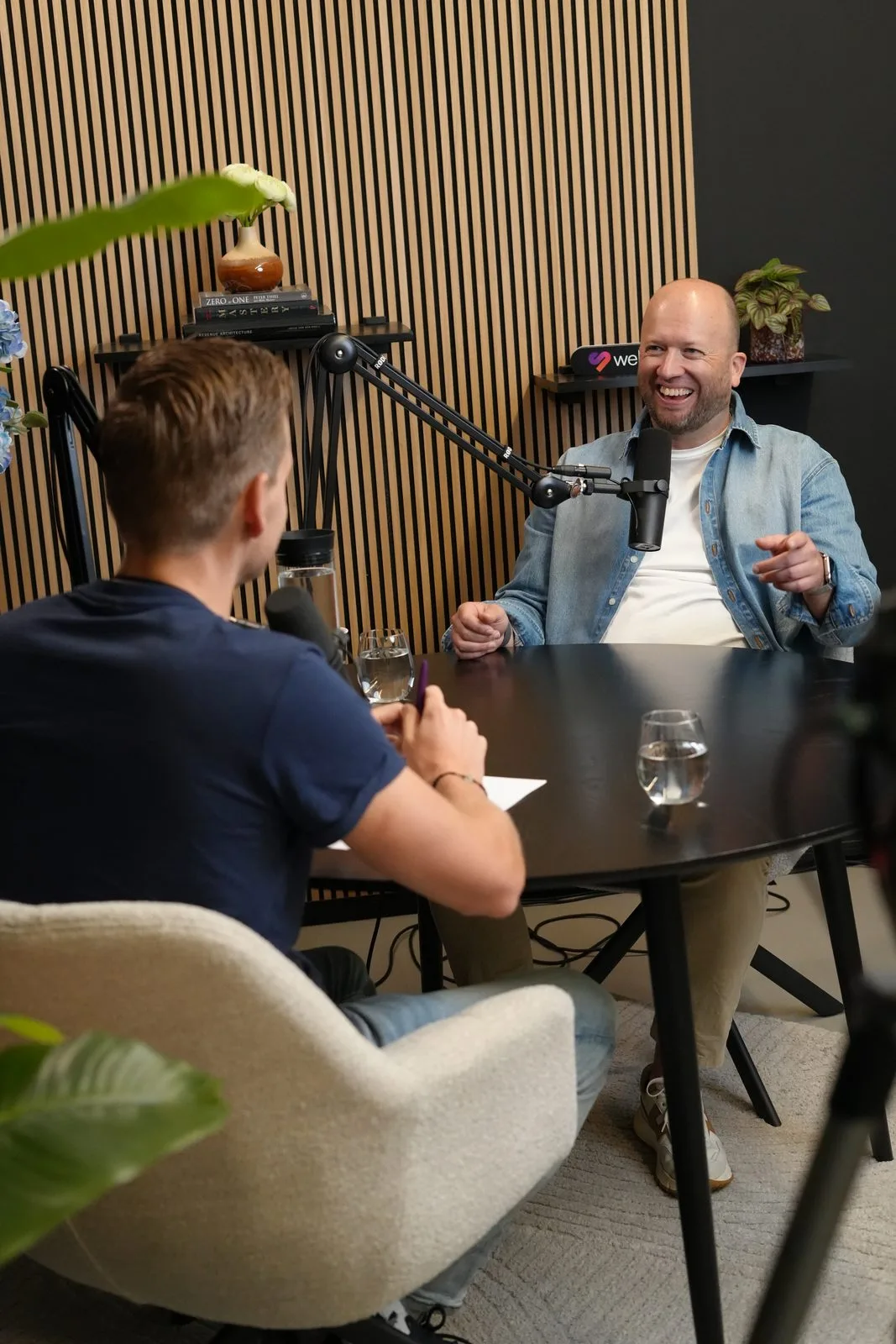
Notes from my podcast conversation with Michael van Lier, founder and Managing Director of Builders.
Michael builds companies from scratch at his Rotterdam venture studio, so he sees the first weeks of a lot of startups up close. His sharpest point in our conversation was uncomfortable, and I recognised myself in it: most of what founders call traction is just people being nice to them.
The false positive every founder loves
You know the pattern. You do outbound, you give demo after demo, people react enthusiastically and ask for another meeting. It feels like momentum. Michael's view is the opposite: a positive signal is not a meeting. It is a signature, as fast as possible.
His reasoning is simple. If the person across the table is spending ten percent of their time on your problem, the other ninety percent is taken up by something that matters more to them. They might enjoy chatting with you. That doesn't mean they will buy.
Chase winners, not losers
The second half of the insight is about who you sell to. Michael argues that founders charge far too little. Not €200 a month, but at least €2,000, because the problems worth solving are big. Start there and you understand your customer better.
"People often chase losers. And losers aren't necessarily small companies, but small problems and low payment."
Real pain sounds different, too. It's not "it would be nice if this worked better". It's "the company is heading for the cliff, we have to change this now, and I don't know how". Customers like that don't need five demos. When it clicks, it clicks. If someone with a serious problem wants to become a design partner, they are the one chasing you.
Why this matters more than the product
When companies fail, Michael says, the conclusion is almost always the same: the problem didn't hurt enough. Not the tech, not the team. And with good customers, the first five or ten clients already show you whether this is going to work. That also feeds your own confidence and feedback loop, because every signature confirms you're heading in the right direction.
It hit home. At my previous startup I was all in on the enthusiasm and got exactly the false positives Michael describes: 3,000 free users and 8 paying customers.
What this means for founders
Treat meetings, demos and "send me a proposal" as noise. Count signatures.
Ask yourself how much of your prospect's time your problem actually takes up.
Price for a big problem: think €2,000 a month, not €200.
Look for customers whose problem is urgent and who want to win, not those who are curious.
When a deal stalls, first ask whether the pain is big enough before you touch the product.
Listen to the full conversation with Michael van Lier on the We Love SaaS podcast.