"A company is not a democracy."
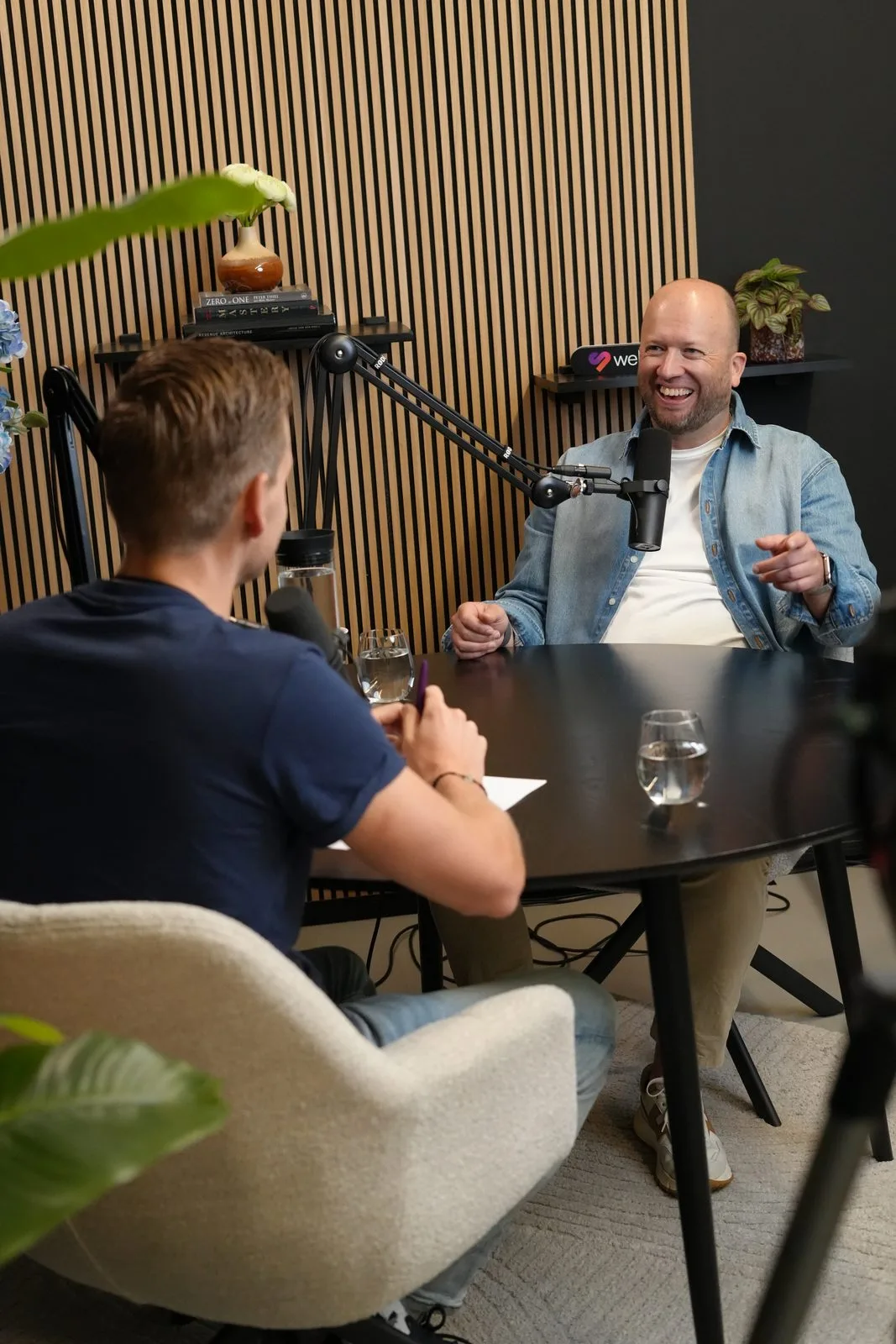
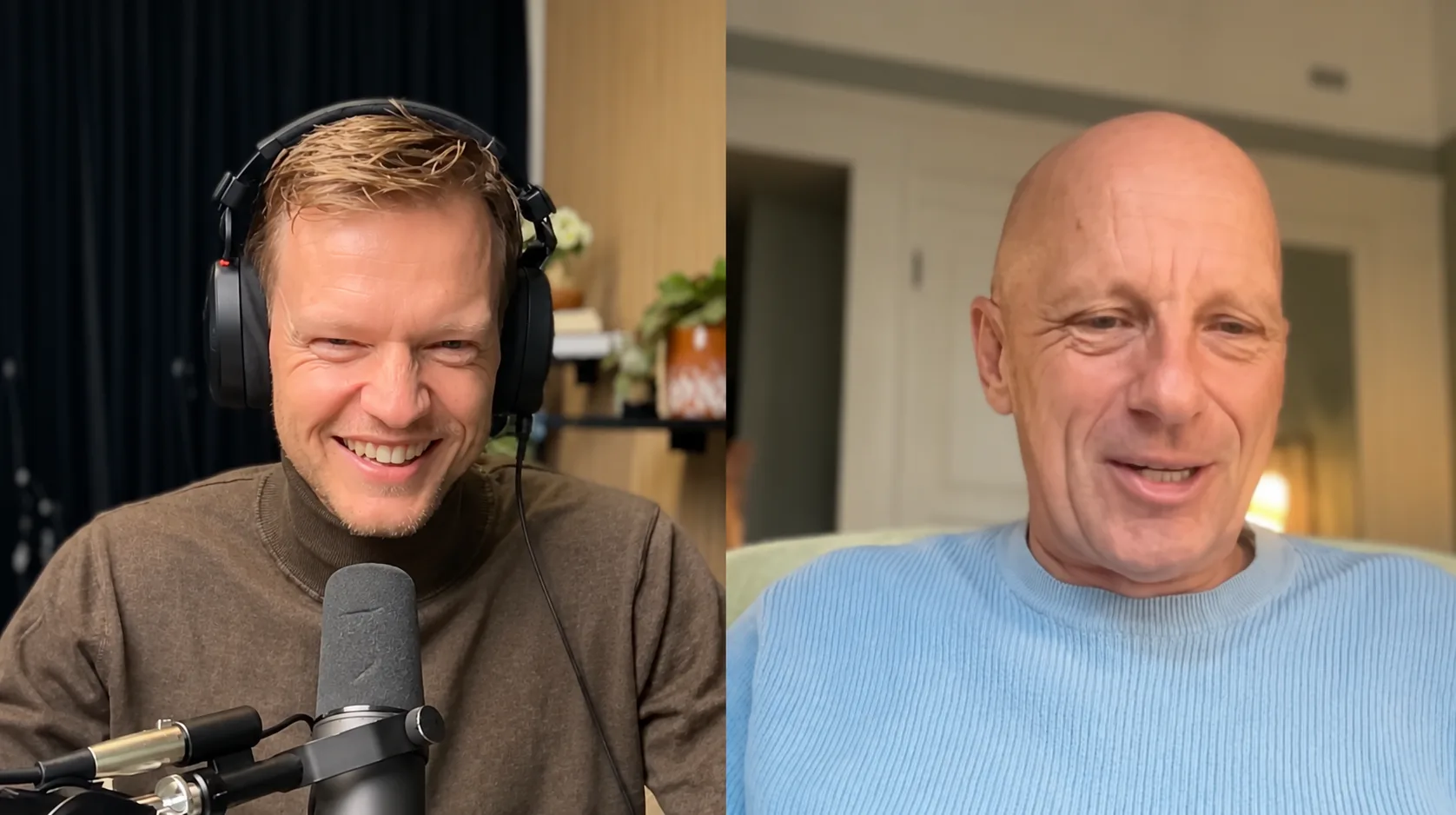
That's what Jacco van der Kooij told me during our podcast recording this week. My first reaction: that sounds very American. Here in the Netherlands, we like consensus. We involve everyone, build support, and decide together.
But then Jacco made a distinction that changed how I saw it.
The core idea
If tomorrow looks like yesterday, democratic, management-led leadership works fine.
You build processes, delegate responsibility, and let the team solve problems so they learn. The founder steps back.
If tomorrow looks very different from yesterday, that model breaks.
Then you need founder mode, or what Jacco calls an "inspirational dictatorship": one person sets the direction, in an inspiring and friendly way, and says: this is where we're going.
So the question isn't whether democratic leadership is good or bad. The question is: does your tomorrow look like your yesterday?
The excavator test
Jacco used a simple image. On Friday, everyone is still digging with shovels and wheelbarrows. On Monday, free excavators are waiting.
You don't call a meeting to decide who gets to drive the excavator. Someone climbs in and figures out how it works. Once they know what works, they can show the team.
That's where many SaaS companies are right now. AI is changing the playing field faster than an organisation can reach consensus.
Why waiting is the bigger risk
Buyers are already using AI to research vendors, compare options and summarise proposals. Meanwhile, many sales teams are still waiting for training, permission or alignment.
If everyone has to be on board first, you react too late.
Jacco does this himself. He had an AI agent analyse his ten most profitable customers and compare them with the twenty opportunities his team spent the most time on. In twelve of those twenty, the team was selling a different problem than the one they actually solve for their best customers. More than 60% of the effort was pointed in the wrong direction.
You don't find that in an alignment meeting. You find it by opening your laptop yourself.
What this means for founders
Diagnose your situation first. Is your market stable, or shifting fast?
In a stable world, delegate. Processes and team ownership scale.
In a shifting world, go back to first principles. Solve the problem yourself with the new tools, then hand it over.
A good idea carries weight when you do the work. Not just suggesting it, but understanding where it fails.
I still believe in involvement. But I'm increasingly convinced that, in times like these, direction comes first.